
Across ten active projects in Vancouver, Burnaby, and North Vancouver, we control land analysis, permits, financing, construction, and exit, so cost drops and mistakes disappear through repetition.Lower costs come from scale: in-house due diligence, portfolio-level financing, repeat city approvals, and bulk construction sourcing, not shortcuts.
Every site is reviewed in-house by civil engineering and architectural professionals before purchase—zoning, density, servicing, constructability, and exit are validated upfront.
No speculative land buying. No surprises after closing.
We secure acquisition and construction financing across multiple projects, not one-offs. This improves terms, reduces interest cost, and stabilizes capital exposure.
Financing is structured, not improvised.
Each project is isolated with a clear ownership and risk framework, designed to protect investors while aligning reward with exposure.
No cross-project risk leakage.
Designs are shaped around what cities actually approve, not what looks good on paper. Repeated work with Vancouver, Burnaby, and North Vancouver reduces revisions and delays.
Faster approvals, lower soft costs.
We reduce construction cost through:
Quality is controlled through repetition, not overdesign.
Lower cost because the system is proven—not because corners are cut.
Sales are planned from day one. Pricing, timing, and transaction costs are managed with the same discipline as acquisition.
Exits are engineered, not rushed.

Vancouver

R1 (Smal Scale Multi Unit)

Multiplex
.png)
4

See on google map
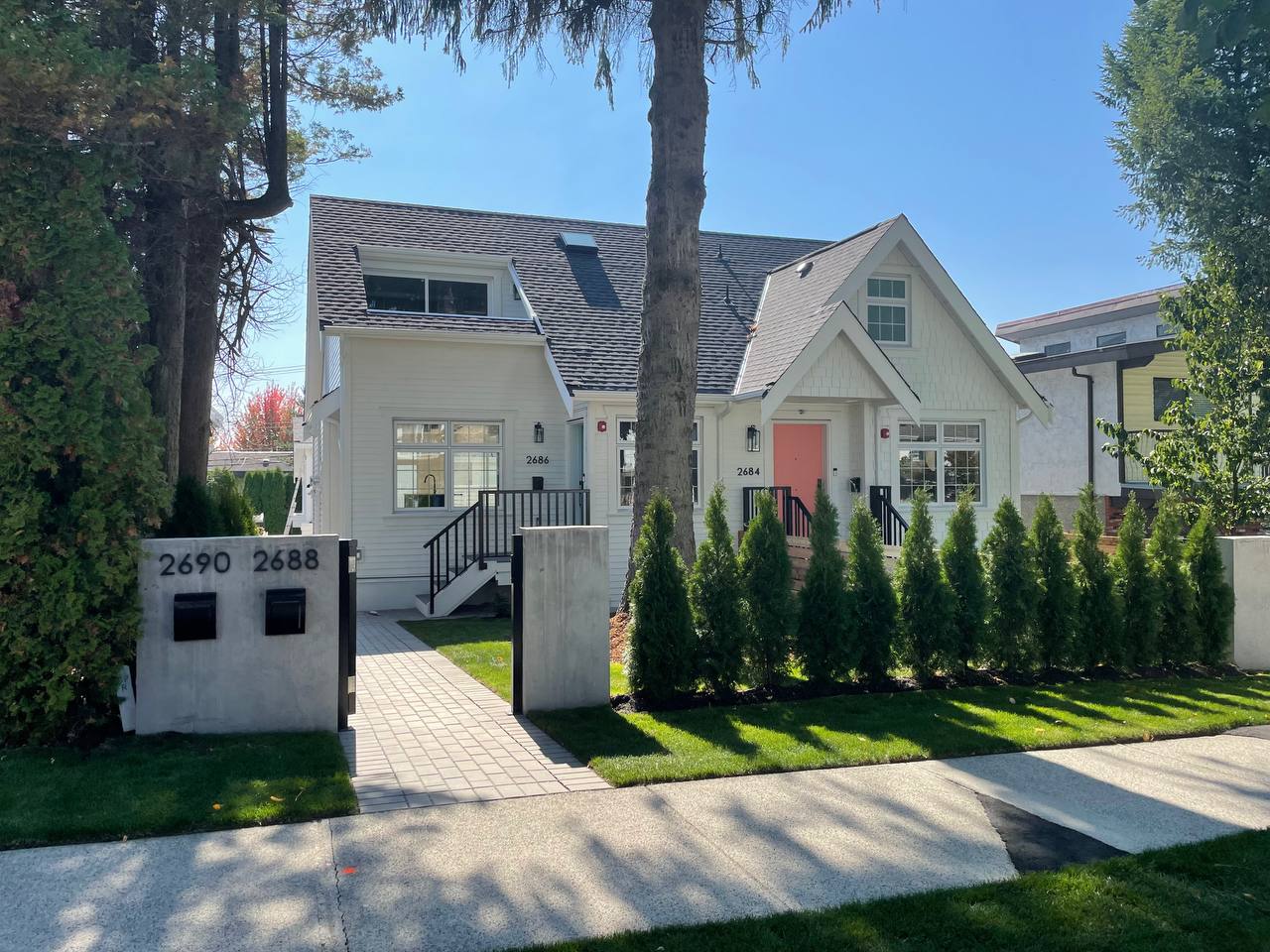
Vancouver
R1 (Smal Scale Multi Unit)
Multiplex
5
See on google map
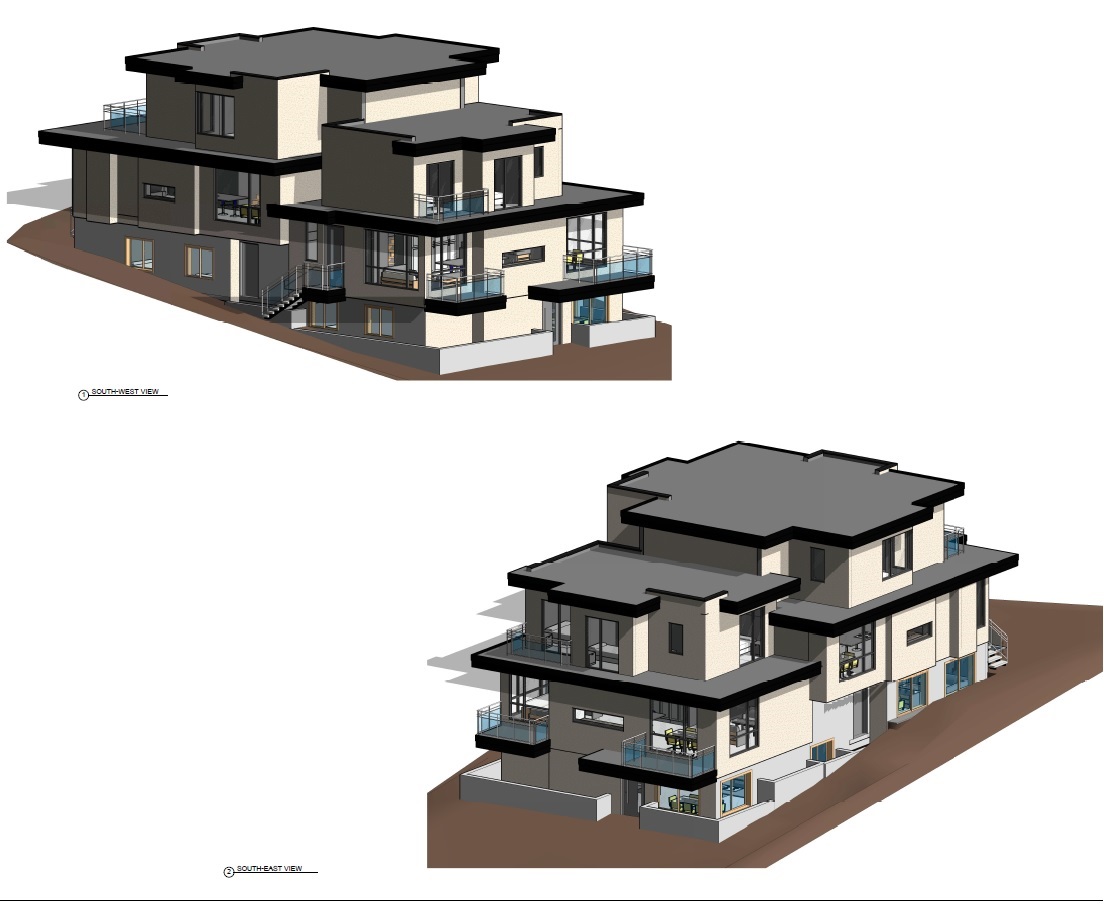
Vancouver
R1 (Smal Scale Multi Unit)
Multiplex
4
See on google map
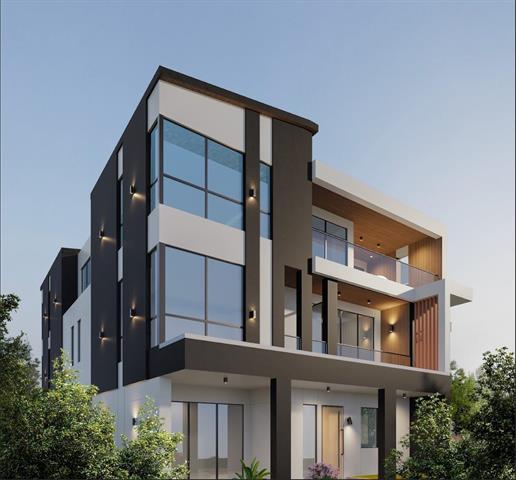
Burnaby
R1 (Smal Scale Multi Unit)
Row house
7
See on google map
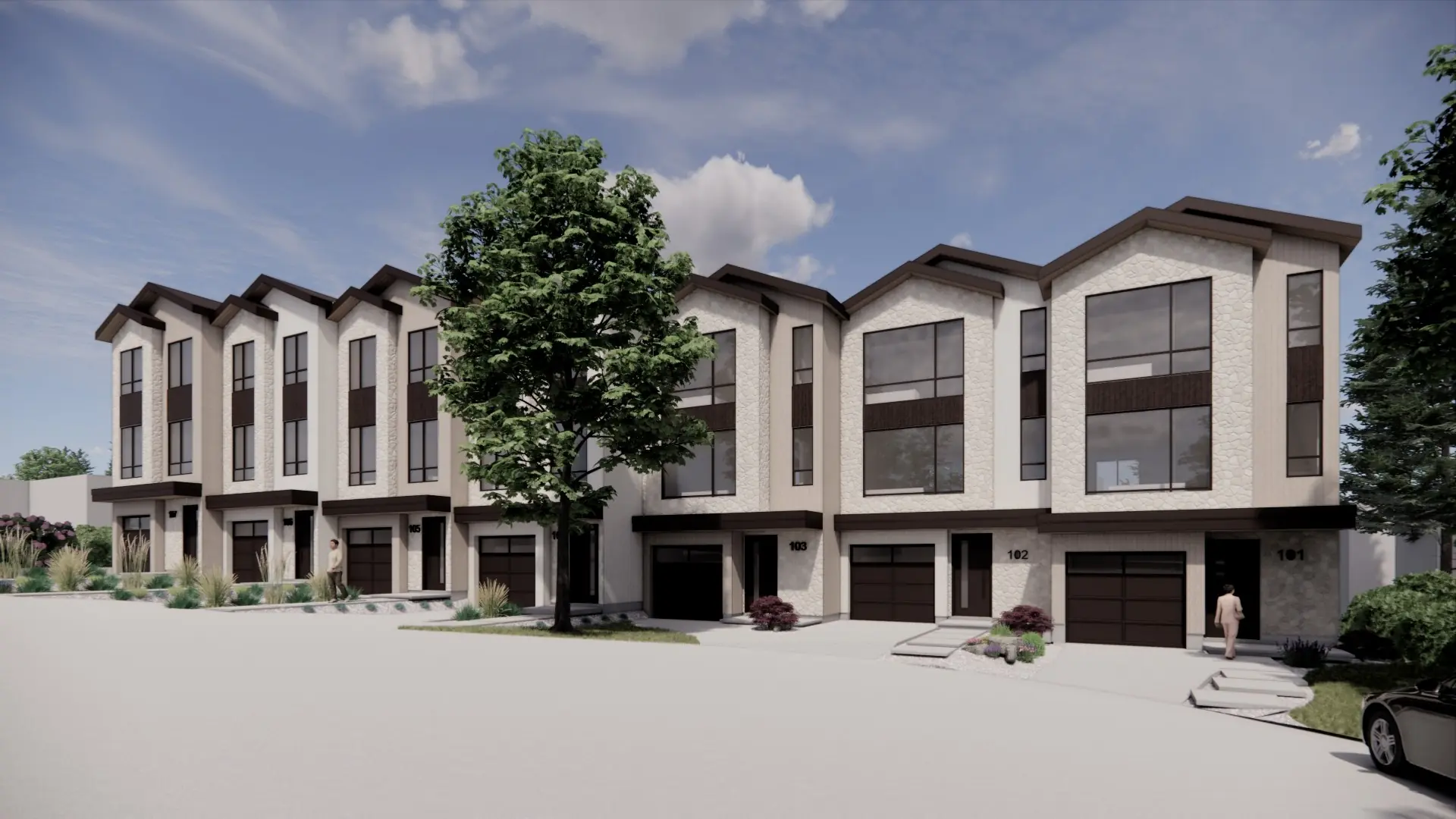
Burnaby
R1 (Smal Scale Multi Unit)
Row house
7
See on google map
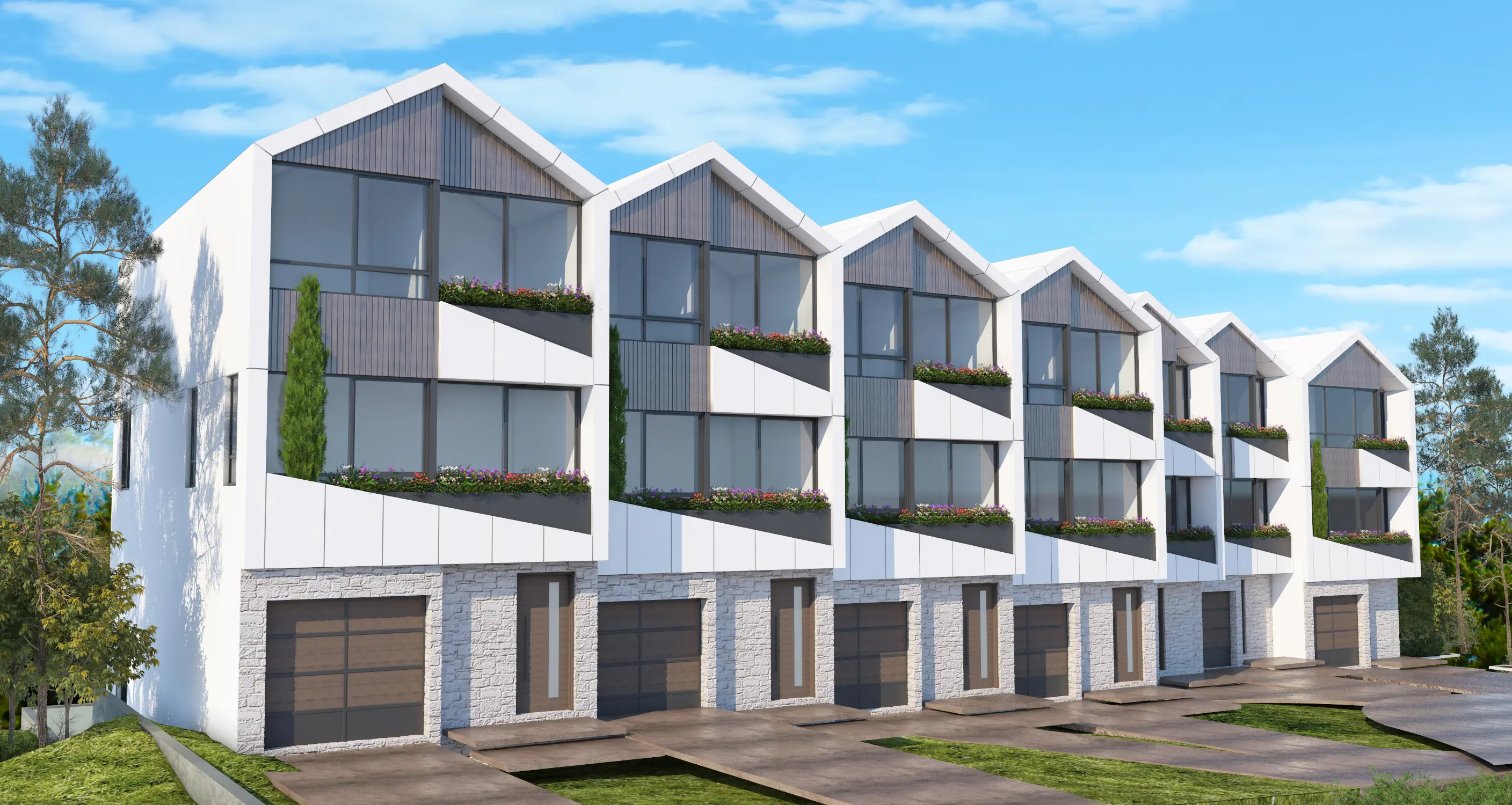
Burnaby
R1 (Smal Scale Multi Unit)
Town house
6
See on google map
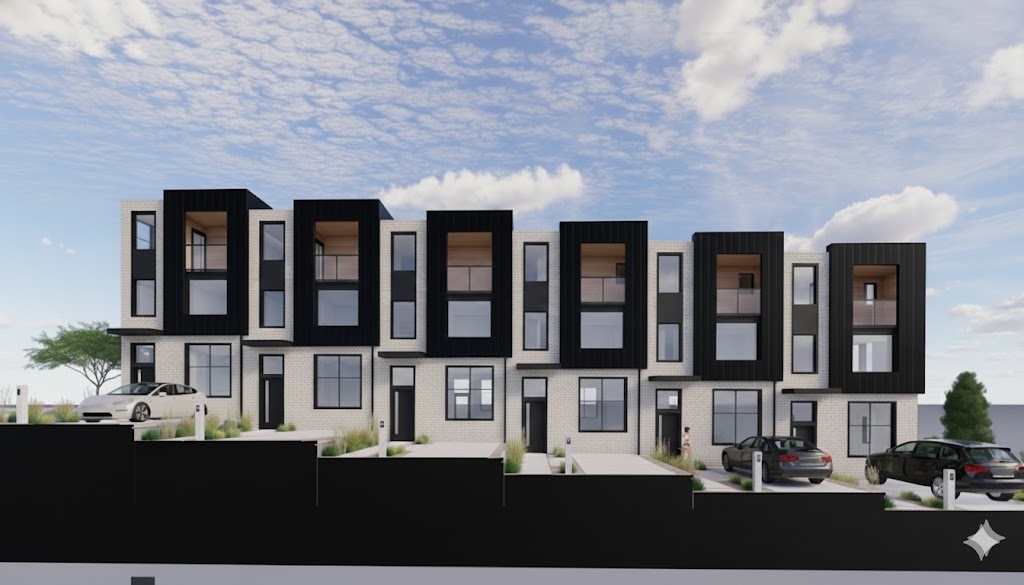
City of North Van
R1 (Smal Scale Multi Unit)
Multiplex
4
See on google map
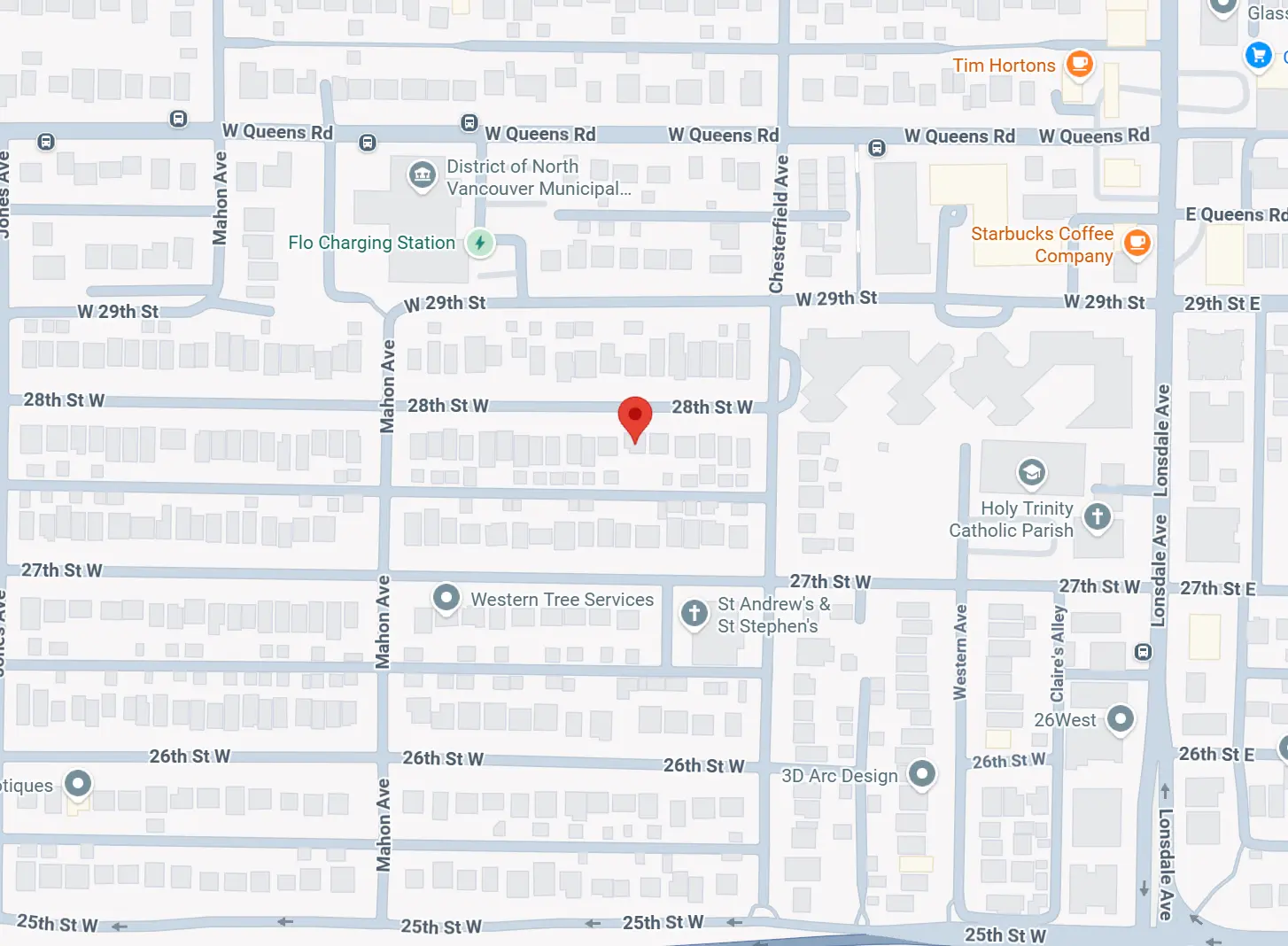
City of North Van
R1 (Smal Scale Multi Unit)
Town house
4
See on google map
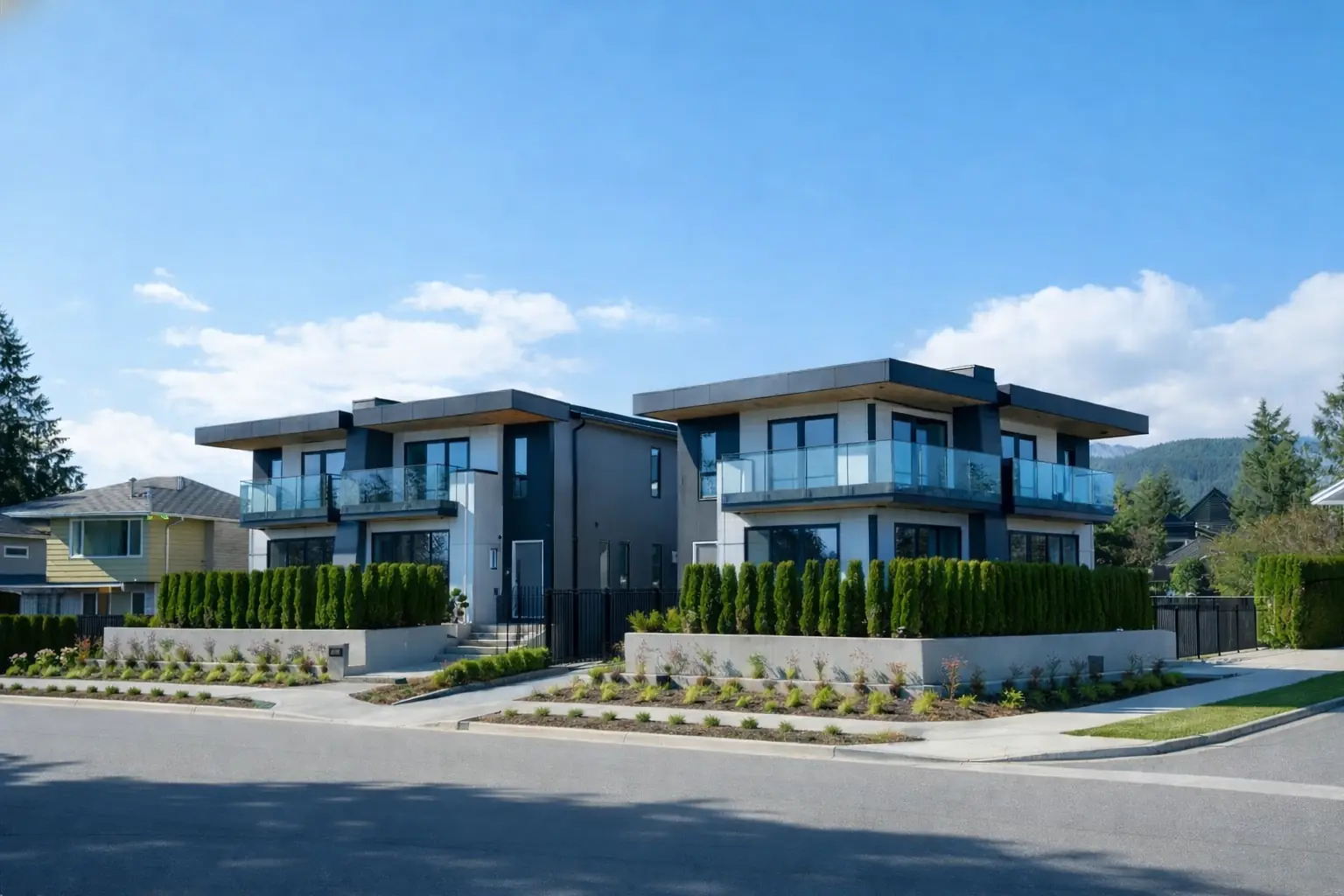
City of North Van
R1 (Smal Scale Multi Unit)
Multiplex
6
See on google map
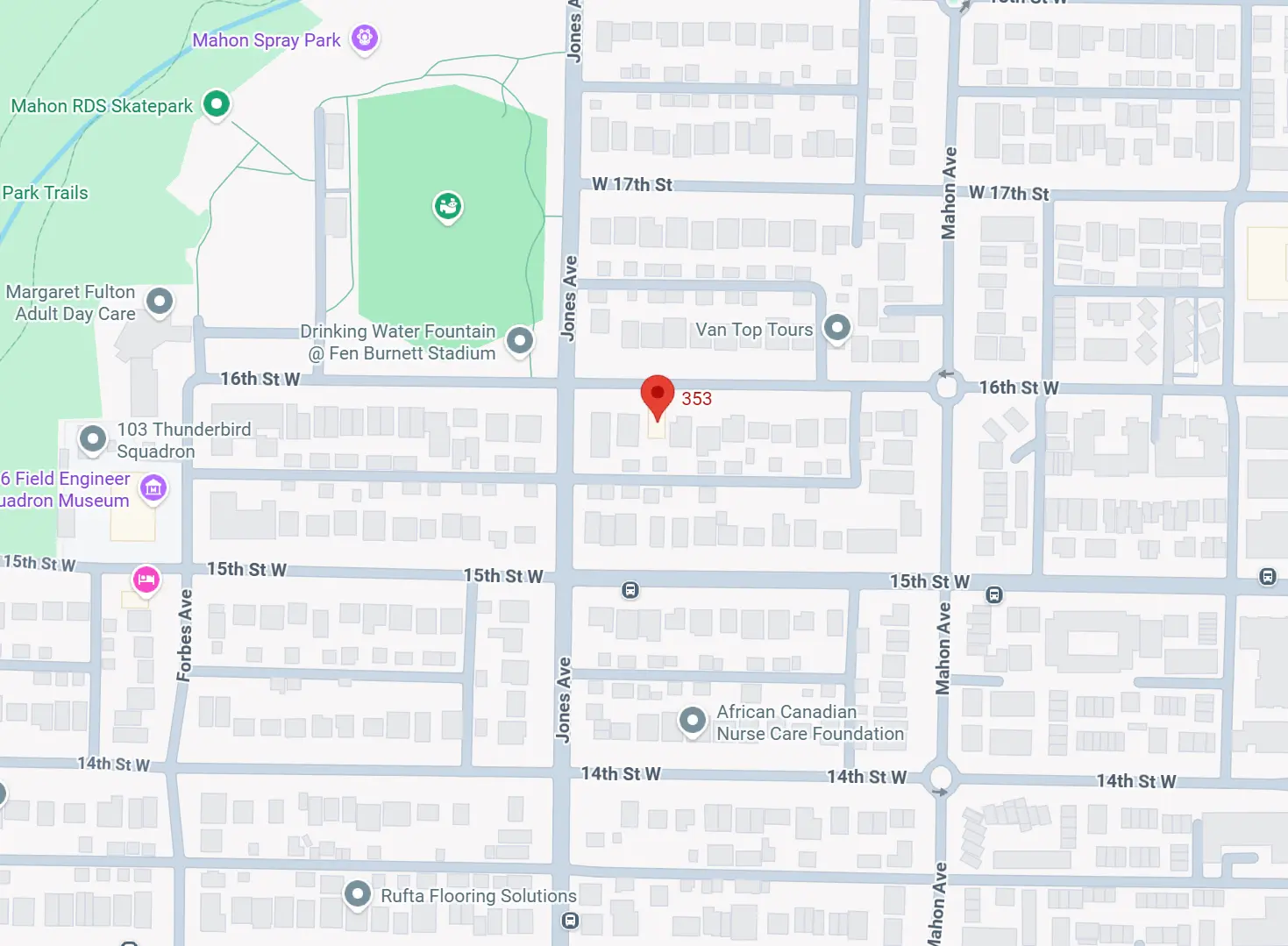
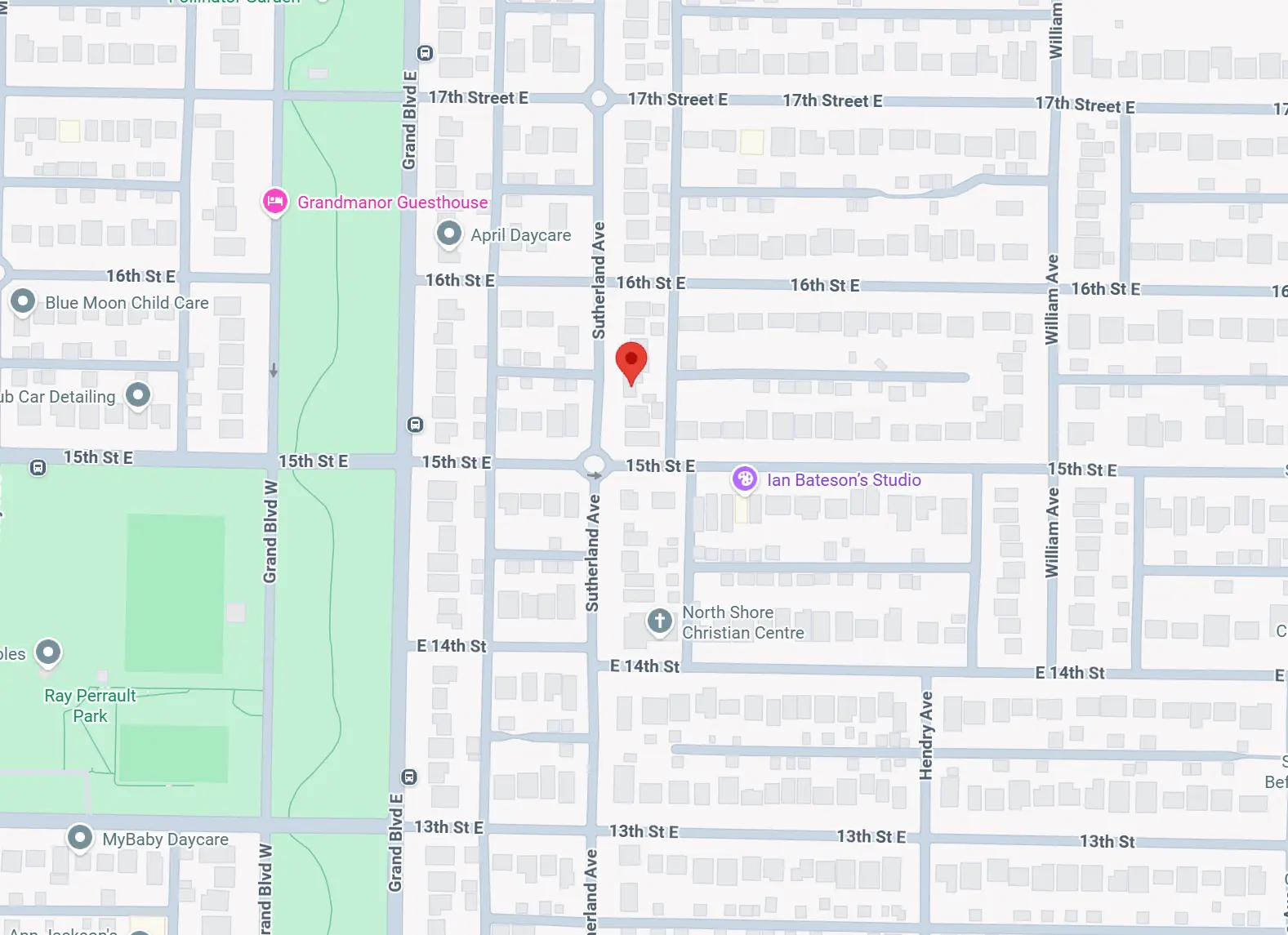
City of North Van
R1 (Smal Scale Multi Unit)
Multiplex
4
See on google map
Small-scale development doesn’t fail because of bad luck.
It fails because complexity is underestimated and handled once, not repeatedly.
Most failures come from:
Each mistake compounds cost, time, and risk.
We built our model to remove these failure points entirely.
Not by being smarter—but by doing the same process again and again across multiple projects and cities.
New developers fail when they treat development as a single deal instead of a system.
We provide a structured, repeatable process—land analysis, financing, permitting, construction, and exit—so new developers build capability, not just complete a project.
Because every mistake made before purchase multiplies after purchase.
Zoning assumptions, servicing constraints, constructability issues, and exit feasibility must be resolved before capital is committed—not discovered mid-project.
It’s done in-house and before acquisition.
Civil engineering and architectural review are integrated into land evaluation, eliminating reliance on late-stage third-party opinions or optimistic assumptions.
Financing failure doesn’t come from rejection—it comes from structure.
High interest rates, timing mismatches, and inflexible loan terms quietly erode margins and force bad decisions. We structure financing at both purchase and construction stages to protect cash flow and timing.
Because cities, lenders, and markets don’t wait.
Delays increase interest costs, trigger redesigns, and compress exit windows. Our process aligns approvals, financing, and construction sequencing to reduce idle time.
Large projects magnify mistakes.
Small-scale developments allow new developers to build experience, credibility, and systems without exposing investors to catastrophic risk. Discipline scales—chaos does not.
Through front-loaded analysis, conservative assumptions, and isolated ownership structures per project.
Risk is identified early, priced accurately, and contained—not shared blindly across projects.
Cities are governed by bylaws—but approvals are executed by people.
Understanding how planning staff interpret guidelines, prioritize concerns, and respond to design decisions reduces revisions, delays, and unnecessary design costs.
These cities have high barriers to entry, consistent demand, and predictable planning frameworks—if you know how to navigate them.
We already operate within these systems.
Through repetition and supply control.
We use proven details, repeat contractors, and bulk material sourcing. Quality failures cost more than savings—we avoid both.
Yes.
The entire lifecycle is managed internally, so investors are not required to solve technical, financing, or permitting problems mid-project.


